
Deck rebuilding is the process of replacing worn, unsafe, or outdated deck components to restore both safety and beauty. Over time, boards can crack, railings wobble, and supports weaken, putting your family and guests at risk. Whether your deck is used for entertaining, cooking, or relaxing, rebuilding ensures a durable, functional, and visually appealing outdoor space. At M2 Services LLC, we specialize in helping homeowners transform tired decks into stunning, long-lasting areas. This guide walks you through every step—from planning and removing old materials to installing new boards and finishing touches—so you can confidently upgrade your deck and enjoy it for years to come.
Why Deck Rebuilding Matters
Many homeowners in Elbert County, CO, delay deck rebuilding because minor cracks or loose boards seem harmless. Over time, small issues grow, creating hazards like:
- Weak boards that can break under weight
- Protruding nails that cause injury
- Wobbly railings that fail under pressure
Deck rebuilding prevents accidents, extends your deck’s lifespan, and makes your outdoor space enjoyable and safe for family and guests.
Signs Your Deck Needs Rebuilding
Check your deck for these warning signs:
- Rusted nails or screws popping up
- Dry, splintered, or soft boards
- Railings that shake or feel unstable
- Sagging or uneven surfaces
If you notice any of these issues, it’s time to plan a rebuild.
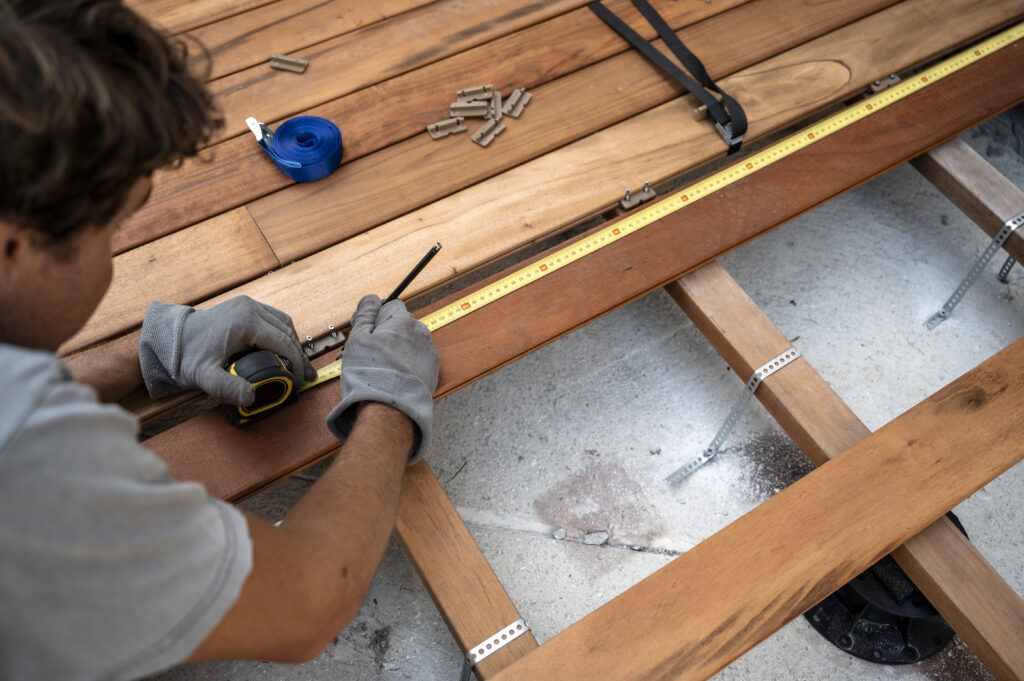
Step-by-Step Deck Rebuilding Process
1. Plan Your Deck Rebuilding Project
Proper planning saves time, money, and stress. Consider:
- Usage: Cooking, hosting, or lounging? The layout depends on the function.
- Permits: Many municipalities require building permits for elevated decks.
- Design: Decide if you want the same layout or a new design.
2. Remove Old Materials
A strong foundation starts with removing damaged components:
- Old boards and decking
- Weak supports and joists
- Damaged railings and posts
3. Choose the Right Materials
Upgrading materials increases durability, reduces maintenance, and improves aesthetics. Popular options include:
| Material | Pros | Expensive, can be hot in the sunlight |
| Pressure-Treated Wood | Affordable, widely available | Requires regular sealing |
| Cedar/Redwood | Natural resistance to rot and insects | Higher cost, needs maintenance |
| Composite Decking | Low maintenance, long-lasting | Expensive, can be hot in sunlight |
| Exotic Hardwoods | Durable, premium look | Very expensive, heavier to install |
| PVC Decking | Waterproof, low maintenance | Limited color/design options |
4. Build a Solid Deck Structure
- Inspect posts, joists, and beams → Replace any weakened or rotted components
- Install joists with proper spacing → Prevents sagging and ensures secure decking
- Attach ledger boards (for attached decks) → Stabilizes the deck
- Measure and install railings and stairs → Ensure consistent riser heights and tread widths
5. Install Deck Boards
- Start at the outer edge and work inward
- Leave small gaps (1/8–1/4 inch) for water drainage
- Use screws or hidden fasteners designed for decking
- Cut boards precisely around posts, corners, and stairs
6. Finishing Touches
- Sand rough edges and clean the surface
- Seal or stain wood to protect against weather and insects
- Install post caps, trim, and decorative accents if desired
- Inspect railings and boards to confirm stability
Pros, Cons, and Limitations of Deck Rebuilding
Pros:
- Restores safety and stability
- Increases property value
- Opportunity to upgrade materials and design
Cons:
- Higher upfront cost compared to repairs
- Time-consuming, depending on deck size
- May require building permits
Limitations:
- Not suitable if the underlying foundation issues are extreme
- DIY rebuilding is risky for elevated or large decks
Use Cases and Scenarios
- DIY-Friendly: Small ground-level decks with simple layouts
- Professional Help Recommended: Large, elevated decks or complex designs
- Climate Considerations: Moist climates → use composite or PVC; dry climates → cedar or redwood preferred
- Frequent Entertaining: Prioritize wider boards and reinforced railings
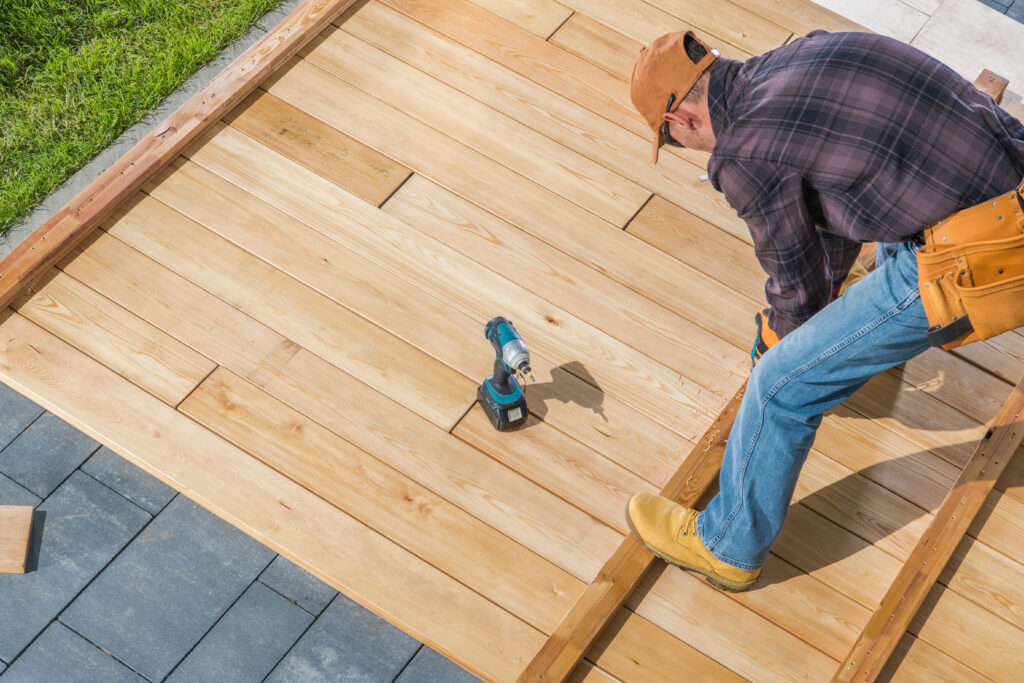
Comparison: Deck Rebuilding vs Deck Repair
| Feature | Deck Rebuilding | Deck Repair | Depends on the materials used |
| Cost | Higher upfront | Lower | Rebuilding can save long-term maintenance costs |
| Safety | Fully restored | Partial | Eliminates underlying hazards |
| Lifespan | 15–30 years | 5–10 years | Can redesign layout, railings, and stairs |
| Materials Upgrade | Possible (composite, PVC, hardwood) | Limited | Rebuilding allows modern, durable decking |
| Aesthetic Flexibility | High | Low | Can redesign layout, railings, stairs |
Tips & Best Practices
- Measure twice before cutting any boards
- Use corrosion-resistant screws for longevity
- Maintain consistent gaps between boards
- Inspect joists for water damage before installation
- Stain or seal annually for wood decks
Final Thoughts
Deck rebuilding is an essential home improvement project that enhances safety, aesthetics, and functionality. By replacing damaged boards, railings, and supports and upgrading to durable materials like cedar, composite, or PVC, you can extend the life of your outdoor space while reducing long-term maintenance.
Proper planning, precise construction, and finishing touches—such as sealing or staining—ensure a deck that is both beautiful and secure. Whether you choose to tackle a small DIY project or hire professional services like M2 Services LLC for larger, complex decks, the results will significantly improve your home’s comfort and value. A well-rebuilt deck becomes a gathering space that families and friends can enjoy safely for years.
FAQs
1: Is deck rebuilding worth it?
A: Yes. Rebuilding restores safety, improves aesthetics, and extends the deck’s lifespan, offering better long-term value than repeated repairs.
2: Can I rebuild a deck myself?
A: Small decks can be rebuilt by skilled DIYers, but large or elevated decks should use professional services like M2 Services LLC for safety and code compliance.
3: How long does deck rebuilding take?
A: Most residential decks take 3–7 days, depending on size, design complexity, and material type.
4: What is the cheapest way to rebuild a deck?
A: A ground-level, simple square deck with pressure-treated lumber and no railings minimizes costs while restoring functionality.
5: Do I need a permit for deck rebuilding?
A: Most municipalities require permits for attached or elevated decks. Small, freestanding decks may be exempt, but always check local codes.